Radon Gas: Health Risks and Safety Information
By Unmasking Lung Cancer
Published on August 4, 2025
Understanding Radon: An Invisible Threat
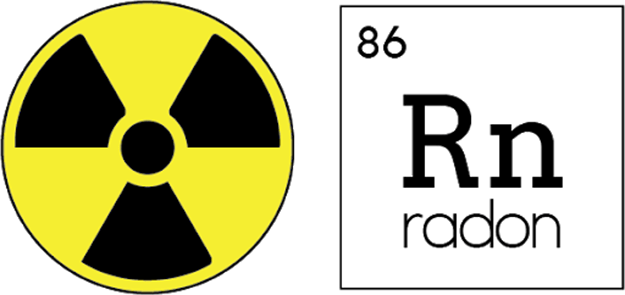
Radon is a naturally occurring radioactive gas that forms from the breakdown of uranium in soil and rock. It is invisible, odorless, and tasteless, making it impossible to detect without proper testing. While radon is diluted and harmless outdoors, it can accumulate to dangerous levels in enclosed spaces like our homes, posing a significant risk to your family’s health.
The Health Effects of Radon Exposure
When radon gas is inhaled, it decays into radioactive particles that release bursts of energy within the lungs. This energy damages lung cells, and over time, these damaged cells can lead to cancer. Radon exposure is the leading cause of lung cancer in non-smokers and the second leading cause overall, contributing to over 3,300 Canadian lung cancer deaths every year.
Key Facts:
- Radon is responsible for about 16% of all lung cancer cases in Canada
- The risk is higher for smokers exposed to radon
- There is no known safe level of radon exposure
- The only way to know your radon level is to test your home
How Radon Enters Your Home
Radon can seep into your home through:
- Cracks in foundation walls and floor slabs
- Construction joints
- Gaps around service pipes and utility entries
- Floor drains and sump pits
- Cavities inside walls
- Well water
Testing for Radon
Testing your home is the only way to know if you have a radon problem. Health Canada recommends:
- Test during the heating season (October to April) when windows and doors are typically closed
- Use a long-term test (minimum 3 months) for the most accurate results
- Test the lowest lived-in level of your home where you spend 4 or more hours per day
Reducing Radon Levels
If your home has high radon levels (above 200 Bq/m³), consider these solutions:
- Sub-slab depressurization - The most effective method, involving a pipe and fan system
- Increase ventilation - Especially in basements and crawl spaces
- Seal cracks and openings - In foundation walls and floors
- Install a heat recovery ventilator (HRV) - To improve air exchange
Resources and Next Steps
Have Questions?
Contact us for more information about radon testing and mitigation in your area.